


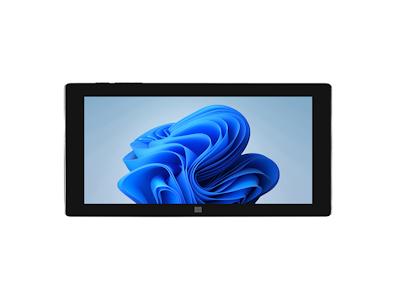
Современное образование переживает беспрецедентную трансформацию, вызванную быстрым развитием цифровых технологий. Среди множества инноваций планшетные устройства выделяются как ключевой инструмент, переопределяющий то, как мы учимся, преподаем и взаимодействуем в образовательной среде. От начальных школ до университетов, планшеты интегрируются в учебный процесс, предлагая новые возможности для персонализации, интерактивности и глобальной доступности знаний. Эта статья исследует, как планшеты изменили лицо образования, анализируя их исторический контекст, преимущества, вызовы и будущие перспективы. Мы углубимся в конкретные примеры, статистику и экспертные мнения, чтобы предоставить всесторонний обзор этой революции.
Исторический контекст: От книг к экранам
Образование традиционно основывалось на печатных материалах, таких как учебники и тетради, с методами, остававшимися относительно неизменными на протяжении веков. Однако с наступлением цифровой эры в конце 20-го века начали появляться компьютеры и ранние мобильные устройства, постепенно внося изменения в классы. Первые попытки интеграции технологий, такие как настольные компьютеры в компьютерных лабораториях, были ограничены из-за высокой стоимости и сложности использования.
Переломный момент наступил с появлением планшетных устройств, в частности с запуском iPad от Apple в 2010 году. Это устройство, с его сенсорным интерфейсом, портативностью и разнообразием приложений, быстро привлекло внимание educators worldwide. Вскоре последовали другие производители, такие как Samsung с Galaxy Tab и Microsoft с Surface, создав конкурентный рынок, который снизил цены и увеличил доступность. К середине 2010-х годов планшеты стали common sight in many classrooms, signaling a shift from passive learning to active, technology-driven engagement.
Например, в США инициативы, такие как "one-to-one" программы, где каждый студент получает персональное устройство, gained momentum. Similarly, in countries like South Korea and Finland, governments invested heavily in digital infrastructure for education. This historical shift was driven by a recognition that technology could address issues like educational inequality and outdated teaching methods, paving the way for the current era where tablets are integral to modern pedagogy.
Преимущества планшетов в образовании
Персонализация обучения
Одним из наиболее значительных преимуществ планшетов является их способность обеспечивать персонализированное обучение. С помощью адаптивных приложений и программного обеспечения, устройства могут анализировать индивидуальные потребности студентов и корректировать содержание соответственно. Например, приложения, как Khan Academy или Duolingo, используют algorithms to tailor lessons based on a student's progress, strengths, and weaknesses. This allows learners to move at their own pace, reducing frustration and increasing engagement.
Исследования показывают, что персонализация может значительно улучшить академические результаты. Согласно отчету организации RAND Corporation, students using personalized learning technologies showed greater gains in math and reading scores compared to traditional methods. Tablets facilitate this by providing instant feedback, interactive exercises, and access to a vast array of resources that cater to different learning styles, whether visual, auditory, or kinesthetic.
Интерактивность и вовлеченность
Планшеты transform passive learning into an active experience through interactive features. Touchscreens, cameras, and sensors enable hands-on activities, such as virtual dissections in biology class or augmented reality (AR) simulations in history lessons. For instance, apps like Google Expeditions allow students to take virtual field trips to ancient ruins or outer space, making abstract concepts tangible and memorable.
This interactivity boosts student engagement, a critical factor in effective learning. A study by the Joan Ganz Cooney Center found that students using tablets reported higher levels of motivation and participation. Teachers can incorporate gamification elements, quizzes, and collaborative tools that make learning fun and competitive. In subjects like mathematics, apps like Photomath help students solve problems step-by-step, fostering a deeper understanding rather than rote memorization.
Доступность и инклюзивность
Планшеты демократизируют доступ к образованию, breaking down barriers related to geography, disability, and socioeconomic status. For students in remote areas, tablets provide access to high-quality educational content that might otherwise be unavailable. Digital textbooks and online courses can be updated instantly, ensuring that information is current and relevant.
Additionally, tablets offer assistive technologies that support students with disabilities. Features like text-to-speech, voice recognition, and adjustable font sizes help those with visual, auditory, or motor impairments participate fully in the learning process. Organizations like UNESCO have promoted the use of tablets in inclusive education initiatives, highlighting their role in achieving Sustainable Development Goal 4: quality education for all.
Эффективность для преподавателей
Для преподавателей планшеты служат мощным инструментом для упрощения административных задач и улучшения преподавания. Приложения для управления классом, такие как Google Classroom или Apple Schoolwork, позволяют учителям распределять задания, отслеживать прогресс и общаться с студентами и родителями в режиме реального времени. This reduces paperwork and frees up time for more meaningful interactions.
Tablets also enable professional development through access to online resources, webinars, and collaborative platforms. Teachers can share best practices, create digital lesson plans, and incorporate multimedia elements into their instruction. A survey by EdTech Magazine indicated that 70% of educators believe technology like tablets enhances their teaching effectiveness, leading to better student outcomes.
Вызовы и критика
Цифровой разрыв
Несмотря на преимущества, внедрение планшетов в образование сталкивается с significant challenges, primarily the digital divide. Socioeconomic disparities mean that not all students have equal access to devices or reliable internet connectivity. In low-income communities, schools may struggle to afford tablets, exacerbating existing inequalities. According to data from the National Center for Education Statistics, in the U.S., there is a notable gap in technology access between affluent and disadvantaged districts.
This divide extends globally, with developing countries facing even greater hurdles. Initiatives like One Laptop per Child have attempted to address this, but sustainability and infrastructure issues persist. Critics argue that without equitable access, technology can widen the achievement gap rather than close it, emphasizing the need for policies that ensure fair distribution of resources.
Отвлечение и злоупотребление
Another concern is the potential for distraction. Tablets, with their access to games, social media, and other non-educational content, can divert students' attention from learning. Studies have shown that multitasking on devices can impair cognitive performance and reduce retention of information. Teachers must implement strict guidelines and use monitoring software to minimize distractions, but this adds to the complexity of classroom management.
Additionally, there are issues related to screen time and its impact on health. Excessive use of tablets has been linked to eye strain, sleep disturbances, and sedentary behavior. The American Academy of Pediatrics recommends limits on screen time for children, urging a balanced approach that includes offline activities. Educators and parents must collaborate to foster healthy digital habits.
Проблемы приватности и безопасности
Использование планшетов поднимает вопросы о приватности данных и cybersecurity. Educational apps often collect sensitive information about students, such as performance data and personal details. Without robust protections, this data could be vulnerable to breaches or misuse. Regulations like the Family Educational Rights and Privacy Act (FERPA) in the U.S. provide some safeguards, but compliance varies, and incidents of data leaks have occurred.
Schools must invest in secure infrastructure, train staff on best practices, and choose reputable software providers. Critics caution against the commercialization of education, where tech companies may prioritize profit over student welfare. Ensuring ethical use of technology requires ongoing vigilance and transparency.
Будущие тенденции и инновации
Искусственный интеллект и машинное обучение
Будущее планшетов в образовании тесно связано с advancements in artificial intelligence (AI) and machine learning. AI-powered tutors could provide real-time, personalized assistance, adapting to each student's learning curve. For example, systems like IBM's Watson are being explored for educational applications, offering insights based on vast datasets. Machine learning algorithms can predict learning difficulties early, allowing for timely interventions.
These technologies promise to make education more efficient and effective, but they also raise ethical questions about autonomy and bias. As AI evolves, it will be crucial to ensure that it complements human teachers rather than replaces them, preserving the emotional and social aspects of learning.
Виртуальная и дополненная реальность
VR and AR are set to revolutionize education through immersive experiences. Tablets, with their processing power and sensors, are ideal platforms for these technologies. Students could explore historical events in VR or conduct virtual science experiments in AR, enhancing comprehension and retention. Companies like zSpace are already developing educational VR solutions that integrate with tablets.
These innovations require significant investment in hardware and content development, but they offer exciting possibilities for experiential learning. As costs decrease, VR and AR could become standard tools in classrooms, bridging the gap between theoretical knowledge and practical application.
Глобальные collaborations и MOOC
Планшеты facilitate global learning opportunities through Massive Open Online Courses (MOOCs) and collaborative platforms. Students can participate in international projects, connect with peers worldwide, and access courses from top universities via apps like Coursera or edX. This democratizes education, allowing anyone with a tablet and internet connection to pursue lifelong learning.
Future trends may include more seamless integration of these resources into formal education systems, with credentials recognized globally. However, challenges such as language barriers and cultural differences must be addressed to maximize the benefits of global collaboration.
Заключение
Планшетные устройства undeniably transformed modern education, offering unparalleled opportunities for personalization, engagement, and accessibility. They have shifted the paradigm from traditional, one-size-fits-all teaching to dynamic, student-centered learning environments. While challenges like the digital divide and distractions remain, the benefits outweigh the drawbacks when implemented thoughtfully.
Looking ahead, the integration of AI, VR, and global collaborations will further enhance the educational landscape. It is imperative for policymakers, educators, and technology developers to work together to ensure that these advancements are equitable, ethical, and effective. Tablets are not just tools; they are catalysts for a brighter, more inclusive future in education, empowering learners to thrive in an increasingly digital world.
В этой статье мы explored the multifaceted impact of tablets on education, highlighting their role in shaping the minds of tomorrow. As we continue to innovate, the potential for positive change is limitless, reaffirming that technology, when harnessed correctly, can truly change the face of education for the better.
 1388xx888xx